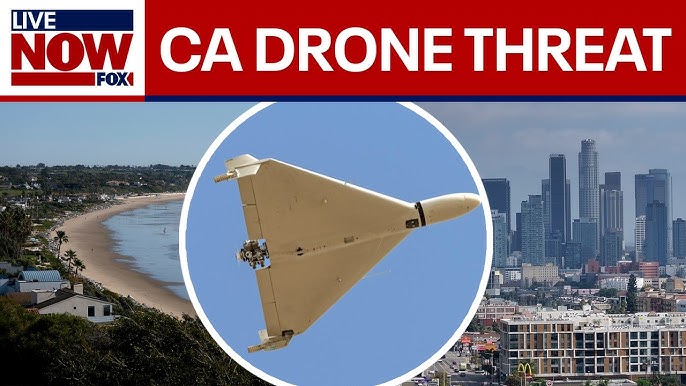
In recent years, drone technology has transformed the nature of warfare across the globe. Among the most widely discussed developments is the Iranian Drone Attack, which has become a major topic in international security discussions. Military analysts, governments, and defense experts are increasingly concerned about how drones are being used in conflicts and geopolitical tensions. The Iranian Drone Attack strategy has drawn global attention because of its impact on regional stability and modern military tactics.
Drones have become powerful tools due to their ability to conduct surveillance, strike targets remotely, and operate with relatively low cost compared to traditional weapons. Because of these advantages, the Iranian Drone Attack approach has emerged as an important part of Iran’s defense and strategic operations. Many countries are now closely studying how these attacks are carried out and how to defend against them.
Understanding the Iranian Drone Attack Strategy
The term Iranian Drone Attack refers to the use of unmanned aerial vehicles (UAVs) developed or supported by Iran for military operations. These drones are capable of carrying explosives, conducting reconnaissance missions, or performing coordinated strikes. Security experts say the Iranian Drone Attack model often relies on swarming tactics, where multiple drones are launched simultaneously to overwhelm defenses.
One reason the Iranian Drone Attack strategy is effective is its affordability and flexibility. Compared to fighter jets or missiles, drones require fewer resources and can be deployed quickly. This allows attackers to conduct operations without risking pilots or expensive aircraft.
How Drone Technology Has Changed Warfare
Modern warfare is evolving rapidly, and drones are playing a central role in that transformation. The Iranian Drone Attack example demonstrates how smaller nations or groups can challenge powerful militaries using relatively inexpensive technology.
Traditional warfare relied heavily on tanks, aircraft, and large armies. However, the Iranian Drone Attack model shows that even small unmanned systems can cause significant damage. These drones can fly long distances, avoid radar detection, and strike strategic targets such as infrastructure, military bases, or oil facilities.
Because of this shift, many countries are investing heavily in counter-drone systems. Defense technologies like electronic jamming, radar tracking, and anti-drone missiles are now being developed specifically to counter threats like the Iranian Drone Attack.
Global Security Concerns
International security experts have expressed concern about the spread of drone technology. The Iranian Drone Attack incidents have highlighted how drones can influence conflicts and escalate tensions between nations. Governments worry that similar technologies could be adopted by other groups or countries.
One key concern is that the Iranian Drone Attack strategy may inspire new forms of asymmetric warfare. Asymmetric warfare occurs when weaker forces use unconventional tactics to challenge stronger military powers. Drones make this possible because they are cheaper and easier to deploy than traditional weapons.
Another issue raised by the Iranian Drone Attack discussions is the difficulty of defending against drones. Unlike large aircraft, drones can fly at low altitudes and are often harder to detect. This makes protecting sensitive locations more challenging.
Impact on International Relations
The rise of drone warfare has also affected global diplomacy and international relations. Many countries are closely monitoring developments related to the Iranian Drone Attack because it could influence security policies and military alliances.
Some nations have imposed sanctions or restrictions due to concerns about drone development and military technology transfers. As debates continue, the Iranian Drone Attack issue remains part of broader discussions about arms control and regional security.
International organizations and governments are also exploring agreements that could regulate drone technology. However, reaching global consensus is difficult because different countries have different security priorities.
Countermeasures Against Drone Attacks
As the threat grows, many nations are developing countermeasures to protect against incidents like the Iranian Drone Attack. Defense systems are being designed to detect, track, and neutralize hostile drones before they reach their targets.
Some of the most common counter-drone technologies include:
- Radar systems designed specifically for small UAV detection
- Electronic warfare tools that disrupt drone communication signals
- Directed energy weapons such as high-powered lasers
- Anti-drone missiles and interception systems
These technologies are part of global efforts to prevent or respond to threats similar to the Iranian Drone Attack. Military research organizations continue to improve these systems as drone capabilities evolve.
The Future of Drone Warfare
Experts believe drone warfare will continue expanding in the coming decades. The Iranian Drone Attack example illustrates how technological innovation can change military strategies quickly. As drones become more advanced, they may include artificial intelligence, autonomous navigation, and improved stealth capabilities.
This means governments around the world must adapt to new security challenges. The lessons learned from the Iranian Drone Attack incidents are already shaping defense planning and international security strategies.
At the same time, policymakers are debating how to balance technological progress with global stability. The increasing use of drones raises ethical and legal questions about warfare, surveillance, and civilian safety.
For additional information about global security and defense developments, you can visit
https://www.csis.org
Conclusion
The rise of drone technology has dramatically reshaped modern conflict, and the Iranian Drone Attack has become a key example of this transformation. By using unmanned aerial vehicles, military operations can be conducted with greater precision, lower costs, and reduced risk to personnel.
However, the growing use of drones also creates new challenges for global security. The Iranian Drone Attack discussions highlight the need for stronger defense systems, international cooperation, and careful regulation of emerging technologies.
As drone capabilities continue evolving, understanding their impact on warfare will remain essential for governments, security experts, and the international community.